
Real Wood vs. MDF Kitchen Cabinets: What’s the Difference?
If you’re still researching cabinet styles, materials, and construction methods, be sure to read our Ultimate Homeowner’s Guide to Buying Kitchen Cabinets for a complete overview before making your decision.
Real wood. MDF. Particleboard. Plywood.
At first, the terminology can feel overwhelming, especially since many cabinets look nearly identical on the outside. Two kitchens might appear the same in a showroom, yet the cabinets underneath the paint can be built very differently.
Understanding those differences is one of the smartest things you can do before investing in a kitchen remodel.
While every material has its place, knowing how each performs over time will help you choose cabinets that fit both your budget and your expectations.
Why the Material Matters
Kitchen cabinets are one of the hardest-working features in your home.
They support the weight of dishes, cookware, pantry items, and small appliances. Their doors and drawers are opened and closed countless times every year, often by multiple members of the household.
Because cabinets are used so frequently, the material they’re made from directly affects their durability, stability, and lifespan.
The cabinet you choose today isn’t just part of your renovation. It’s something you’ll interact with every day for years to come.
What Is MDF?
MDF, or Medium-Density Fiberboard, is an engineered wood product made by compressing fine wood fibers together with resin under high pressure.
Because it has a smooth, uniform surface, MDF paints exceptionally well. That’s why it’s commonly used for painted cabinet doors and decorative moldings.
High-quality MDF certainly has its place within the cabinet industry, particularly in painted finishes. However, MDF is generally heavier than solid wood and doesn’t hold screws or fasteners as securely over many years of heavy use.
When exposed to excessive moisture, MDF can also swell more easily than natural wood.
What Is Real Wood?
Real wood cabinets are constructed using natural hardwoods or solid wood components that provide exceptional strength and durability.
Wood has been used in cabinetry for generations because it offers structural stability while standing up well to everyday wear and tear.
One of the biggest advantages of real wood is longevity.
With proper care, real wood cabinetry can continue performing beautifully for decades. It also holds hardware securely and provides the solid feel many homeowners associate with premium-quality cabinets.
Rather than being chosen because it’s trendy, real wood remains popular because it has consistently proven itself over time.
Why Construction Is Just as Important as Materials
The material itself is only one part of the equation.
How a cabinet is built matters just as much.
A well-constructed cabinet should include durable joinery, quality drawer boxes, and dependable hardware designed for years of daily use.
For example, dovetail drawer construction creates strong mechanical joints that resist pulling apart over time, while soft-close hinges and drawer slides reduce wear by preventing doors and drawers from slamming shut.
These construction details often have a greater impact on long-term performance than homeowners initially realize.
Why Jessen Cabinets Chooses Real Wood
At Jessen Cabinets, we’ve built our reputation around providing homeowners with cabinets that deliver both beauty and durability.
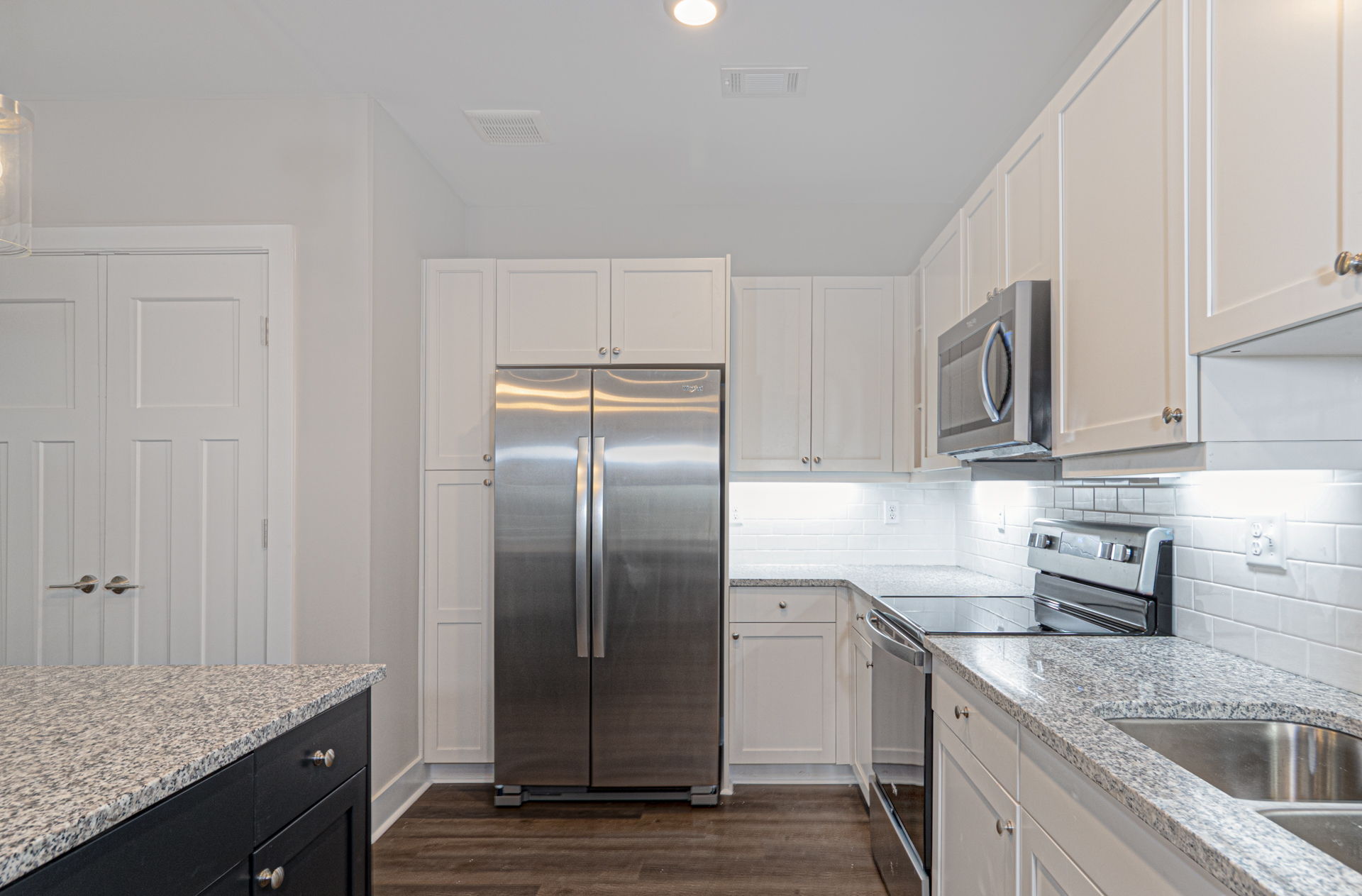
Our white shaker RTA cabinets feature real wood construction, dovetail drawer boxes, and premium soft-close hardware because we believe quality should be part of every kitchen—not an expensive upgrade.
By focusing on a single timeless cabinet style, we’re able to maintain consistent craftsmanship while keeping our cabinets in stock and ready for fast nationwide shipping.
It’s an approach that allows homeowners to enjoy premium quality without the long lead times or premium pricing often associated with custom cabinetry.
Looking Beyond the Price Tag
It’s natural to compare cabinet prices when planning a remodel.
But price alone rarely tells the whole story.
A lower-priced cabinet may initially appear to save money, but if lower-quality materials or construction lead to premature wear, repairs, or replacement, that savings can disappear quickly.
Investing in well-built cabinets from the beginning often provides better long-term value because the kitchen continues to perform beautifully for years with minimal maintenance.
When comparing cabinets, it’s worth asking not only “How much do they cost?” but also “How well will they perform five, ten, or fifteen years from now?”
Choosing Cabinets You’ll Feel Good About
Every kitchen remodel involves dozens of decisions, but choosing cabinet materials doesn’t have to be complicated.
Understanding the difference between real wood and engineered materials gives you the confidence to evaluate cabinets based on quality rather than marketing claims.
If you’re still comparing cabinet styles, construction methods, and remodeling options, our Ultimate Homeowner’s Guide to Buying Kitchen Cabinets brings everything together in one place. It covers the key decisions every homeowner should make before investing in new cabinets and serves as the perfect starting point for planning a successful kitchen remodel.
Combined with timeless white shaker styling and durable construction, real wood cabinets provide a foundation that homeowners can enjoy for many years without worrying that they’ve compromised on quality.
Ready to Invest in Cabinets Built to Last?
If you’re looking for premium white shaker RTA cabinets made from real wood, Jessen Cabinets is here to help.
Explore our collection at kitchen.jessencabinets.com or request your free quote today. You can also call 404-856-5461 to speak directly with our team and receive complimentary in-house kitchen design support.
Because choosing the right cabinet material today means enjoying your kitchen for years to come.